

Image
sudan

CCT - Case study Supporting camel-milk value chain
Submitted by iloadmin on
Image
testt

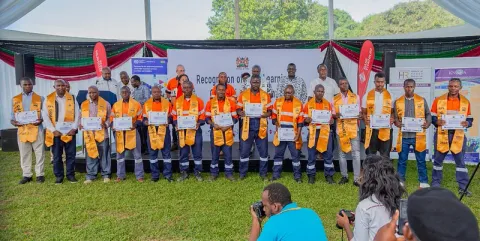
By rehabilitating key water infrastructure using labour-based methods and training water resource operators, the initiative bolstered camel-milk production, tripling output and generating new jobs.

Following three years of severe drought in Garissa County, camels emerged as a critical source of resilience – providing both nutritious milk and a sustainable livelihood – particularly for women, young people and the elderly in the villages. The PROSPECTS team adopted a market systems approach to strengthen the camel-milk value chain. By rehabilitating key water infrastructure using labour-based methods and training water resource operators, the initiative bolstered camel-milk production, tripling output and generating new jobs. The establishment of the Kasha Camel Milk Collection Centre empowered women through entrepreneurship, raising hygiene standards and expanding market access.

Find out more about the PROSPECTS programme’s wider learning on gender and disability inclusion.
Local Economic Development Committees (LEDCs) and localized programming

Submitted by iloadmin on
Image
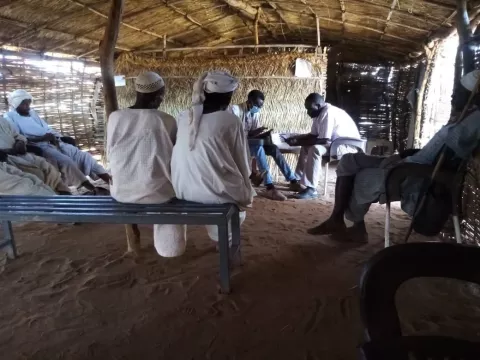
Image showing a group of locals sitting on benches in a house together in a discussion

LEDCs were established at state level in East Darfur and West Kordofan to localize programming and facilitate interventions to support rural livelihoods under PROSPECTS even during conflict.

As a mechanism to localize its approach to Employment-Intensive Investment Programmes (EIIP) in Sudan, the PROSPECTS team set up LEDCs at state level in East Darfur (Assalaya) and West Kordofan (Keilak and Muglad). These included representatives from state-level ministries, employers’ and workers’ organizations, local financial institutions and vocational training centres. The main objective of the LEDCs was to transfer relevant knowledge and skills for ensuring coordinated and locally appropriate interventions to support rural livelihoods under PROSPECTS. Three LEDCs were formed and underwent a period of training. They convened on a quarterly basis and submitted action plans for coordinated information-sharing and exchange. The action plans commonly involved access to remote field locations, monitoring and providing feedback on work progress, and developing evidence-based recommendations to strengthen programming. These were reviewed by the PROSPECTS team and used to determine support costs that the LEDCs would require. The plans, and associated capacity-building for LEDC members, helped the programme localize its operations. In terms of EIIP, this served to support the identification of relevant infrastructure work and localized monitoring and oversight functions. The LEDCs continued to meet in the early phases of the resurgent conflict, and helped the ILO maintain PROSPECTS  even as access to project sites was interrupted for PROSPECTS staff.

Find out more about Local Economic Development Committees helped guide and support PROSPECTS programming and implementation in Sudan
 

Subscribe to Sudan