
Intervention
Value-chain development and market systems
Countries involved

Egypt

Ethiopia

Kenya

Lebanon

Sudan

Uganda
Overview
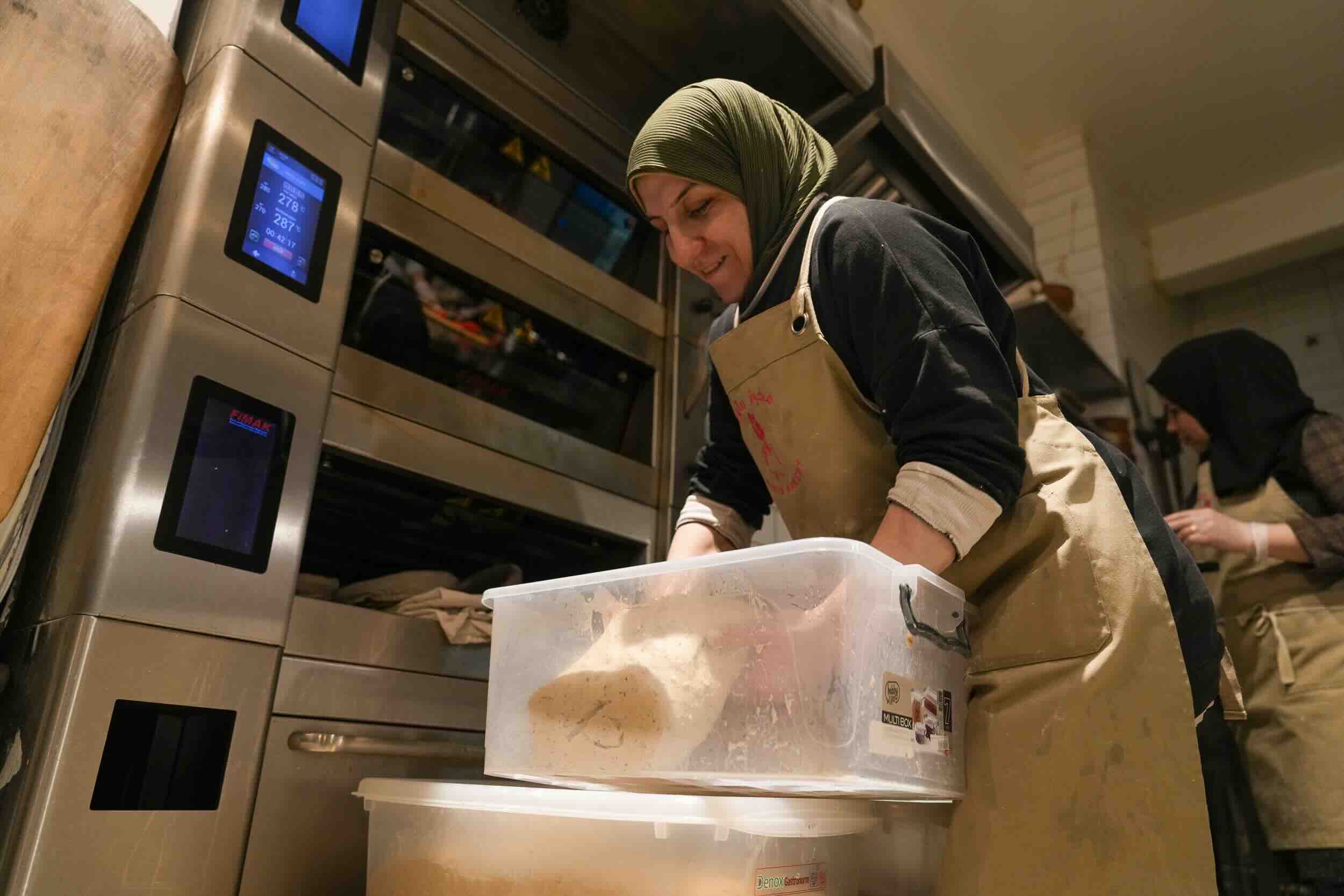
Market-oriented approaches are increasingly employed in the humanitarian-development nexus to enhance access to economic opportunities for vulnerable populations in a sustainable manner. By promoting the economic self-sufficiency of refugees and host communities, market-based strategies not only encourage self-reliance but also improve social cohesion and enhance the contributions of refugees to the economies of host countries.
The Approach to Inclusive Market Systems for Refugees and Host Communities (AIMS) was initially designed by the ILO and UNHCR in 2013 to develop livelihood interventions for refugees and host communities that are both sustainable and market-driven. While traditional approaches to refugee livelihoods and value-chain development in displacement contexts often deliver needed goods and services directly, AIMS focuses on understanding the overall system in which refugees and host communities live and make a living and designs tailor-made solutions to make the system work better for both communities.

Key stakeholders
- Private sector
- (I)NGOs
- Government representatives (national)
- Government representatives (local)
- Cooperatives and SSEs
- Financial service providers
- Producers
- Refugee and host community members
- Buyers and exporters
- ILO technical specialists
Activities, stakeholders and guidelines
Activities, stakeholders and guidelines
Analyse and select a sector or value chain with potential for inclusive growth
Activities, stakeholders and guidelines
Design interventions to stimulate pull and push in the market system
Activities, stakeholders and guidelines
testing activity
1