PROSPECTS Learning Portal
This Learning Portal is created based on the learnings described in the Responding to forced displacement Report by ILO PROSPECTS. The report spans the first phase of PROSPECTS (2019-2023). It serves as a practical resource and strategic tool for policymakers, practitioners and other key stakeholders working in forced displacement contexts.
It includes key concepts of the interventions used by the ILO PROSPECTS team, key activities and guidance, curated tools and templates, and real-world case studies. This Learning Portal offers a place to share practical learning from PROSPECTS’ years of implementing tools and navigating complex forced displacement contexts in collaboration with humanitarian and development organisations as partners.
Ultimately, this Learning Portal supports the ILO’s broader institutional learning on forced displacement. It also contributes to building stronger partnerships by offering a common framework for action, shared priorities, and areas of synergy.
Who it’s for
This Learning Portal is designed to support a wide audience engaged in humanitarian and development work. It serves those involved in programme design and implementation from a range of organisations.
- Teams within the ILO PROSPECTS programme
- Partners from INGOs
- National governments
- Regional or local governments
- Employers and employer associations,
- Educational institutions,
- Financial institutions
- Refugee-led organizations.
- Researchers examining the interventions that bridge humanitarian and development work,
- Anyone involved in advocacy and policy efforts in forced displacement contexts.
By offering practical tools and shared insights, this Learning Portal intends to facilitate collaboration, build capacity, and enhance the effectiveness of joint efforts across sectors and settings.
PROSPECTS Responding to forced displacement report
The ILO's Responding to forced displacement report examines ten intervention areas and operations within the PROSPECTS framework to analyze programming in forced displacement contexts. It details how ILO PROSPECTS country teams developed and applied programming to multiple and intersecting challenges in their countries. The report supports institutional learning for future ILO engagement in forced displacement, both within PROSPECTS and more broadly, and to strengthen partnerships under the Humanitarian Development Peace Nexus (HDPN). Covering diverse technical areas and country contexts through case studies, the report narrates the processes used to achieve impact and results.
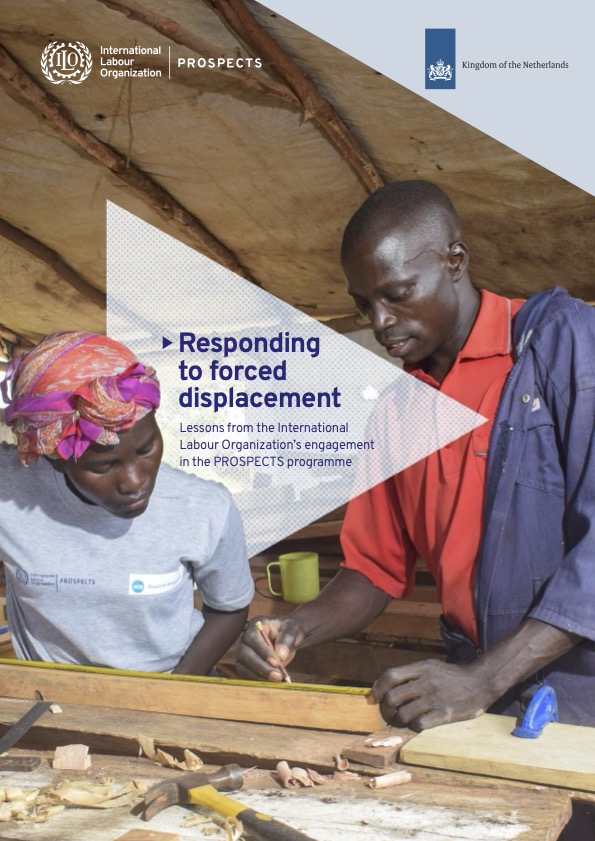
PROSPECTS Responding to Forced Displacement report
Files for download
Responding-to-Forced-Displacement-report.pdfPROSPECTS partnership
The PROSPECTS Partnership is financed by the Government of the Netherlands to forge greater collaboration between five humanitarian and development organisations addressing forced displacement:
- the International Labour Organisation (ILO)
- the International Finance Corporation (IFC)
- the UN Refugee Agency (UNHCR)
- the UN Children’s Fund (UNICEF)
- the World Bank
By combining their unique expertise and mandates, these agencies aim to improve the well-being of forcibly displaced people and their host communities. The partnership focuses on achieving its shared goals and jointly monitoring its advancement.
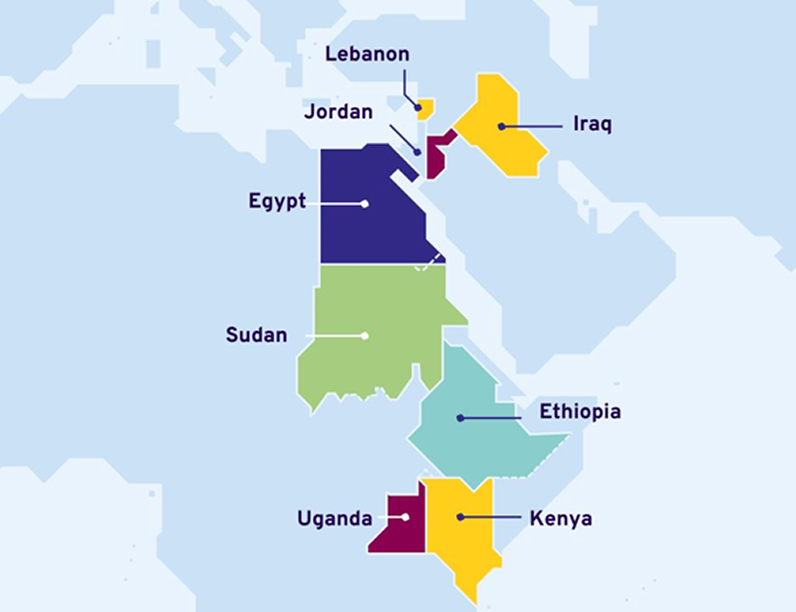
The partnership focuses its efforts on specific districts and localities that accommodate the largest populations of displaced people within eight host nations throughout the Middle East and Africa areas:
Egypt, Ethiopia, Iraq, Jordan, Kenya, Lebanon, Sudan, Uganda
How this Learning Portal was created
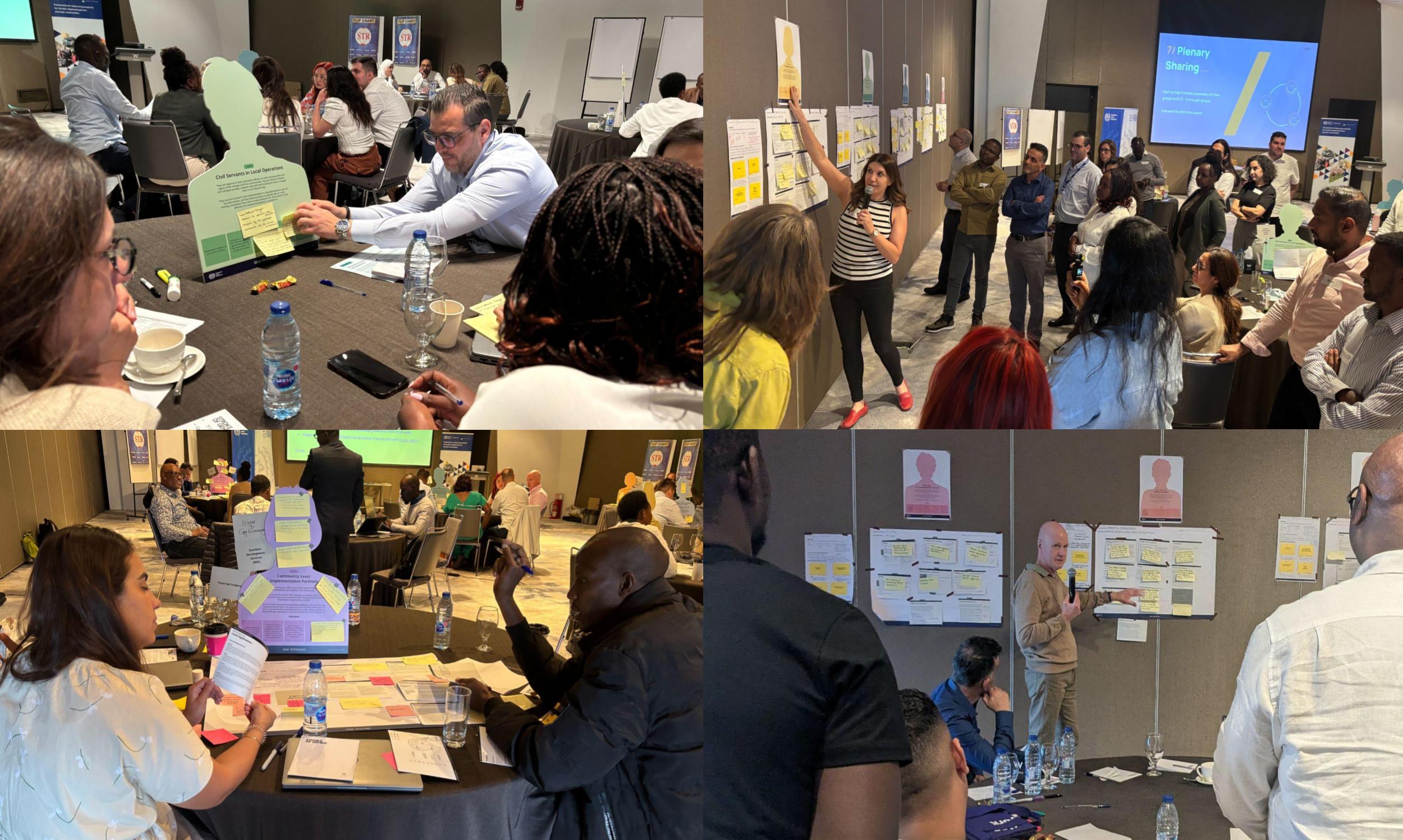
This Learning Portal was developed through a multi-stage co-creation and participatory process to ensure both rigour and relevance. It began by identifying key themes, challenges, and successes from previous programming. These initial insights were refined through analysis and feedback, leading to the creation of a prototype knowledge product. The prototype was then shared in co-creation workshops with a diverse range of stakeholders from the ILO PROSPECTS programme. During these workshops, user archetypes were applied to refine how information was captured and presented, ensuring alignment with different user needs. The approach enhanced the accessibility and usefulness of the content for varied audiences.
Stakeholder input was crucial in validating the Learning Portal’s relevance and shaping its strategic direction. The final version of the Learning Portal was developed based on a structured roadmap and the insights gathered from this collaborative process.
View this portal in Arabic
At the moment, we cannot offer this portal in non-English languages, however, please check out instructions for translating this website into Arabic with Google Translate.
ي الوقت الحالي، لا يمكننا تقديم هذه البوابة باللغات غير الإنجليزية، ولكن يرجى الاطلاع على التعليمات الخاصة بترجمة هذا الموقع إلى اللغة العربية باستخدام Google Translate