
Cross-cutting themes
Digital and gig economies
Countries involved

Egypt

Ethiopia

Kenya

Lebanon

Uganda
Overview
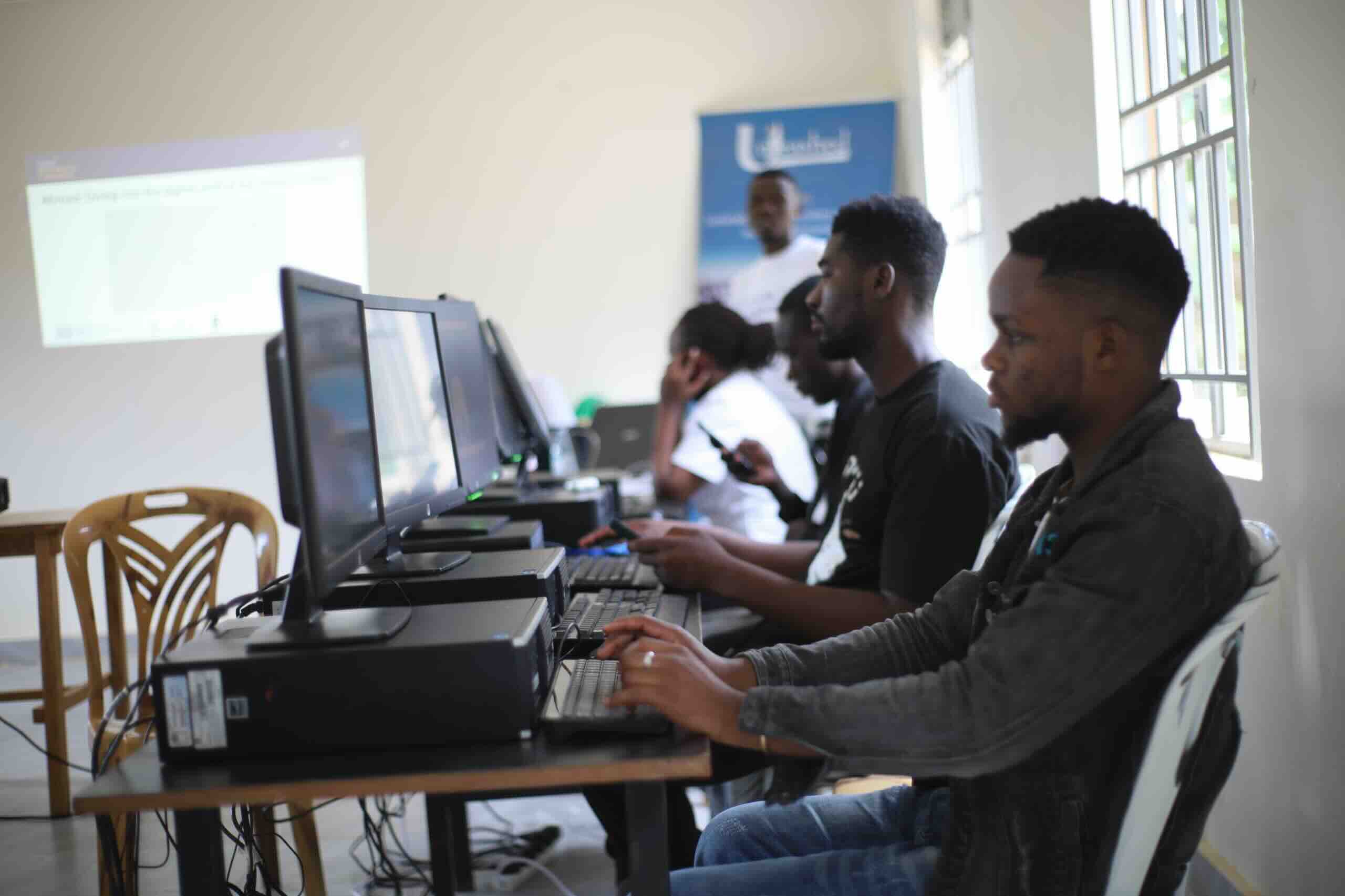
The digital economy is expanding rapidly, presenting new opportunities in e-commerce, online freelancing, and platform work and is recognised as a potential source of jobs and economic growth. However, differences in labour laws, social protection policies and employment standards shape diverse business ecosystems and working conditions, impacting how refugees and members of the host community can take part.
In the context of forced displacement, the expanding digital economy offers both opportunities and challenges. On the one hand, it creates new pathways for refugees and host community members to achieve self-reliance and economic inclusion. On the other hand, the rise of digital jobs has also led to significant variations in how work is structured and regulated across and within countries. Unlocking these opportunities requires targeted investment in:
- Access to information and communications technology (ICT) infrastructure, broadband connectivity, work tools and spaces.
- Market-driven digital skills development.
- Supportive legislation and policies for labour market inclusion and rights at work, including for refugees.
- Digital financial access.
- Cybersecurity and digital safety.
Key stakeholders
- Community-based organizations (CBOs)
- Social solidarity enterprise initiatives
- Humanitarian partners (UNHCR, UNICEF)
- (I)NGOs
- Private sector
- Government representatives
1