
A deep dive into social protection for Lebanon’s agriculture workers and farmers

Lebanon
Focus
This collection of video stories illustrates an integrated approach to extending social insurance to agriculture workers in Lebanon.
In this video, Dr Lea Bou Khater, social protection technical officer at the ILO, explains the reasons for and impact of excluding agriculture workers from the Labour Law in Lebanon, along with the challenges and barriers these workers face in accessing social protection. Workers in the agriculture sector are often excluded from social insurance schemes, leaving them vulnerable to health, economic, environmental and social risks. Essentially, one of the most exposed groups to risks is also one of the least protected. Robust social protection systems would be crucial in addressing poverty and inequality, fostering a just transition and changing the status quo.
Fatima Tarek Al-Ahmad is a Syrian agriculture worker from Hama, who has been living in Jiyeh, Lebanon, for the past ten years. She found refuge with her husband here shortly after the conflict broke out in Syria. They now have two children. They fled their home country, leaving behind a life rooted in farming.
Meet Aline Tannous, a Lebanese farmer from Hardeen in the Batroun district. Together with her husband, she cultivates a rented piece of land, growing seasonal crops. Aline explains the challenges she faces in accessing healthcare and the implications of her lack of social security coverage. She also highlights the difficulties of making ends meet as a farmer in Lebanon, including the recent effects of climate change, which are destroying her crops. These challenges compel her to work as a housekeeper in her village to earn additional income.
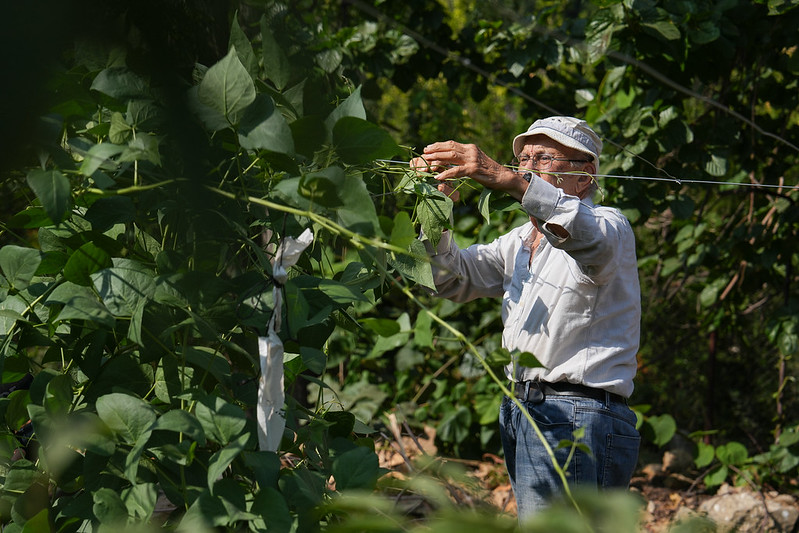
Chawki Boustani, 91, is one of the farmers the initiative has accompanied throughout a typical workday. He lost access to all his bank savings and healthcare coverage as a result of the financial crisis affecting the country. Boustani suffers from a chronic heart condition and hypertension, requiring regular medications, which he must now pay for out of his own pocket.
Following in the footsteps of his father and grandfather, Al Hazoury started working in agriculture at the age of 12. On his rented lands in North Lebanon he mainly grows seasonal crops, such as tomatoes, aubergines and courgettes. His parents and siblings work with him. With none of them benefiting from any form of social protection, they struggle to make ends meet.
Continue reading
Case study
Lebanon’s national disability allowance
Lebanon