
Lebanon’s national disability allowance

Lebanon
Focus
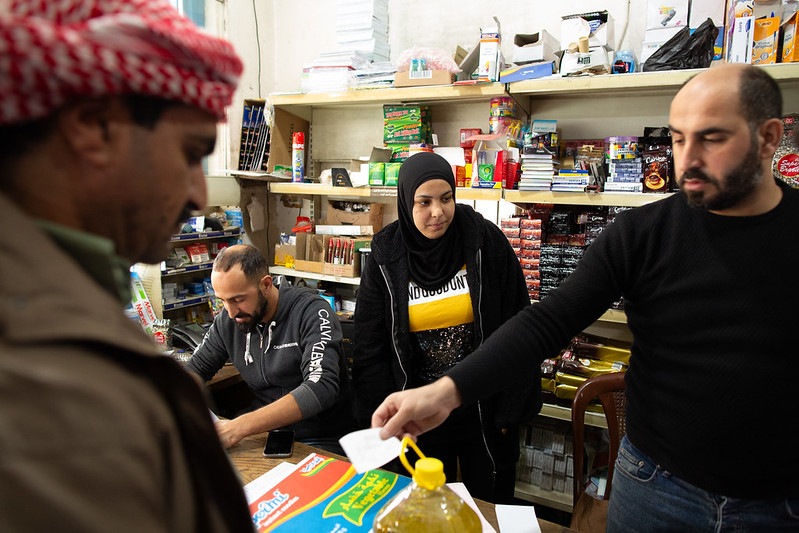
The ILO and UNICEF, in collaboration with the Ministry of Social Affairs, supported the expansion of the National Disability Allowance to include refugees and people with disabilities.
PROSPECTS Lebanon contributed to an existing two-year, EU-funded social grants programme for people with disabilities, known as the National Disability Allowance (NDA). The ILO and UNICEF signed an agreement on collaborating with the Ministry of Social Affairs to provide people with disabilities (PWDs) with basic income support. This marked a shift from the “targeted social assistance” approach to a universal approach. The overall approach was inclusive across communities, not just for Lebanese PWDs, providing an entry point for the extension of the NDA to refugee PWDs.
PROSPECTS’ NDA funding was channeled into the NDA but came with the expectation that the caseload it covered would include refugees. This was significant, because the NDA was administered by the Ministry of Social Affairs and donor resources were used to support extending it to refugees. The NDA amounted to US$40/month for an initial 12-month period, along with referrals to additional services based on needs. The programme started in April 2023 and targeted people with disabilities residing in Lebanon and aged between 18 and 28 years.
PROSPECTS funding was also used to top-up NDA benefits for caseloads living in the South, at a time when conflict in Gaza started to spill across borders. While top-up NDA funding wasn't initially planned for, the outbreak of the crisis in South called for additional support and led the ILO to submit a request to the donor to repurpose funds from other planned activities. This was ultimately approved by the donor and supported by the ILO Regional Programme Unit. The NDA was able to continue to issue grants and effectively reach the target groups.
Find out more about this case study:
- ILO and partners take shock-response measures to support persons with disabilities in Lebanon
- Cash Allowances to Persons with Disabilities in Lebanon: Position Paper
Find out more about the PROSPECTS programme’s wider learning on gender and disability inclusion.