

Cross-cutting themes
Youth engagement
Countries involved

Iraq

Kenya

Sudan

Uganda
Overview
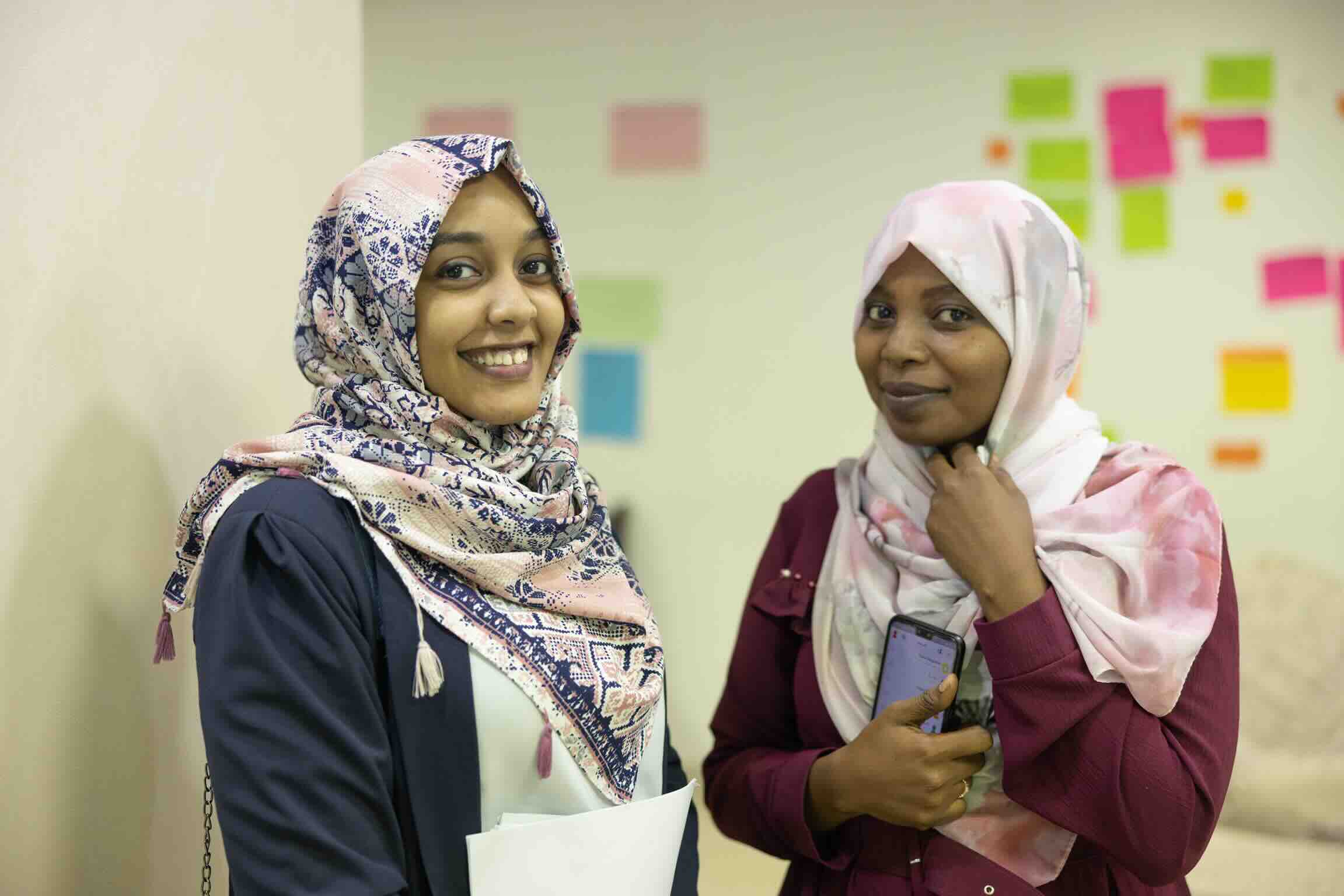
Youth engagement is a key area of focus for PROSPECTS, recognising that young people, particularly those who are forcibly displaced, face significant barriers to accessing education, training, and decent work.
Young people aged 15 to 24 account for 16 per cent of the world’s population – the largest generation of young people in history. While this demographic faces unique challenges in integrating into labour markets and transitioning from education and training to decent work, forcibly displaced young people face additional barriers in accessing basic services, employment and training. Forty per cent of all refugees are under the age of 18, while young people aged 18 to 24 account for an additional 13 per cent of all refugees. Moreover, nearly 10 million internally displaced persons (IDPs) are aged between 15 and 24. Recognizing the particular challenges these young people face, and the considerable size of the demographic overall, PROSPECTS identified meaningful youth engagement as a cross-cutting and priority area for programming, at both a country and global levels.
PROSPECTS has prioritised the meaningful engagement of young people in its programming at both country and global levels. This engagement goes beyond simply being recipients of services; young people are positioned as partners in the design and delivery of programmes. The PROSPECTS Youth Workstream, comprising focal points from the Government of the Netherlands, the ILO, UNICEF and UNHCR, acted as a joint planning, coordination and knowledge-sharing mechanism for joint agency programming on meaningful youth engagement in PROSPECTS. The Workstream developed an internal, ILO-UNHCR guidance tool TEN STEPS to Engage Young People Across PROSPECTS and Improve Self-Reliance, Inclusion and Resilience to support better and more effective youth engagement.
Key stakeholders
- ILO technical specialists
- Humanitarian partners (UNICEF, UNHCR)
- Government representatives
- Refugee- and youth-led organisations (RYLOs)
1