
إرشادات - الاقتصاد الرقمي والاقتصاد الحر

Submitted by iloadmin on

الدعوة إلى حلول سياسات قائمة على الأدلة

  • تعزيز فهم كيفية دعم العمل المدعوم رقميًا للدخول والتقدم في أسواق العمل من خلال مناهج تدعم الحقوق في العمل.
  • Assess the digital economy’s job creation potential, with attention to inclusion, equity and work quality, including through tools such as the digital employment diagnostic.
  • Apply an integrated approach to digital employment, linking key enablers such as digital infrastructure, skills development, financial inclusion, labour and social protection, and online safety, rather than addressing these in isolation.
  • Support the alignment of digital economy priorities with National Employment Policies and Strategies, as well as with broader ICT and innovation frameworks, to foster coherence and policy synergies.
  • Generate and disseminate evidence and data on digital labour markets, including through surveys on working conditions, skills needs and access barriers, to inform dialogue, advocacy and policymaking.

تعزيز قدرات المجتمعات وأصحاب المصلحة في الاقتصاد الرقمي

  • Foster coordinated engagement among government ministries and institutions shaping the digital employment agenda, including Ministries of Labour, ICT and related agencies.
  • Facilitate social dialogue on the digital transformation of work, including through models such as Communities of Practice, to bring together government, employers’ and workers’ organizations and other stakeholders to exchange knowledge and build consensus.
  • Promote peer learning and awareness raising of rights and responsibilities among digital economy workers and their representatives, including trade unions, online worker collectives, refugee-led and grassroots groups.
     

اختبر حلولاً مبتكرة توفر فرص العمل والدخل

  • Pilot demand-driven skilling models that combine digital competencies with core employability and entrepreneurship skills, linked directly to job placement or business development pathways.
  • Support micro and small enterprises, aspiring freelancers and digital entrepreneurs to adopt digital tools that improve productivity, expand market reach and enhance sustainability.
  • Promote inclusive innovation by testing solutions in refugee-hosting contexts, where digital employment can offer new pathways to income and resilience. 

الاقتصادات الرقمية واقتصاديات الحفلة

Submitted by iloadmin on

Overview

The digital economy is expanding rapidly, presenting new opportunities in e-commerce, online freelancing, and platform work and is recognised as a potential source of jobs and economic growth. However, differences in labour laws, social protection policies and employment standards shape diverse business ecosystems and working conditions, impacting how refugees and members of the host community can take part.

In the context of forced displacement, the expanding digital economy offers both opportunities and challenges. On the one hand, it creates new pathways for refugees and host community members to achieve self-reliance and economic inclusion. On the other hand, the rise of digital jobs has also led to significant variations in how work is structured and regulated across and within countries. Unlocking these opportunities requires targeted investment in:

  • Access to information and communications technology (ICT) infrastructure, broadband connectivity, work tools and spaces.
  • Market-driven digital skills development.
  • Supportive legislation and policies for labour market inclusion and rights at work, including for refugees.
  • Digital financial access.
  • Cybersecurity and digital safety.
Image
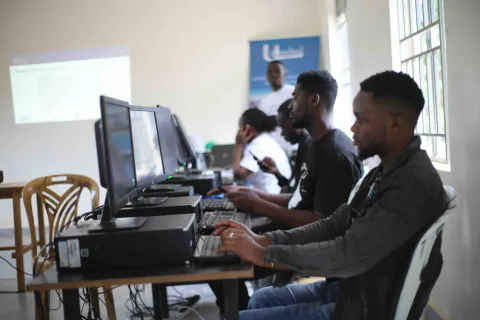
image of a line of workers sitting in front of computers and working

Key stakeholders

  • Community-based organizations (CBOs)
  • Social solidarity enterprise initiatives
  • Humanitarian partners (UNHCR, UNICEF)
  • (I)NGOs
  • Private sector
  • Government representatives 
     

إدراج النوع الاجتماعي والإعاقة

Submitted by iloadmin on

Overview

Gender and disability inclusion are critical considerations, particularly for forcibly displaced persons who face significant disadvantages in accessing training, employment, and social protection. Within this group, there are sub-groups that experience unique challenges, making it crucial to understand how disability and gender combine with the experience of forced displacement. Consultation with women and people with disabilities was foundational for the development of relevant and meaningful support.

Therefore, developing effective and tailored support requires a comprehensive approach that actively engages with women and persons with disabilities as equal partners. It also means mainstreaming inclusion rather than creating separate interventions, and engaging with organisations of persons with disabilities and individuals with disabilities in the programme design.

Image
image of a person signing a contract with another person sitting and waiting in the background

Key stakeholders

  • (I)NGOs
  • Community based organizations
  • Organizations of persons with disabilities (OPDs)
  • Government representatives (national and local)
  • Refugees, internally displaced persons (IDPs) and host community members 
     

مشاركة الشباب

Submitted by iloadmin on

نظرة عامة

تُعد مشاركة الشباب مجالًا رئيسيًا لتركيز برنامج "آفاق" (PROSPECTS)، إدراكًا بأن الشباب، وخاصة النازحين قسرًا، يواجهون عوائق كبيرة في الحصول على التعليم والتدريب والعمل اللائق.

يمثل الشباب الذين تتراوح أعمارهم بين 15 و 24 عامًا 16 في المائة من سكان العالم – وهو أكبر جيل من الشباب في التاريخ. وبينما يواجه هذا التجمع السكاني تحديات فريدة في الاندماج في أسواق العمل والانتقال من التعليم والتدريب إلى العمل اللائق، يواجه الشباب النازحون قسرًا عوائق إضافية في الحصول على الخدمات الأساسية والتوظيف والتدريب. أربعون في المائة من جميع اللاجئين تقل أعمارهم عن 18 عامًا، بينما يمثل الشباب الذين تتراوح أعمارهم بين 18 و 24 عامًا 13 في المائة إضافية من جميع اللاجئين. علاوة على ذلك، يبلغ عدد ما يقرب من 10 ملايين نازح داخلي تتراوح أعمارهم بين 15 و 24 عامًا. إدراكًا للتحديات الخاصة التي يواجهها هؤلاء الشباب، والحجم الكبير لهذا التجمع السكاني بشكل عام، حدد برنامج "آفاق" مشاركة الشباب الهادفة كمجال شامل وذو أولوية للبرمجة، على المستويين القطري والعالمي.

لقد أولى برنامج "آفاق" أولوية لمشاركة الشباب الهادفة في برامجه على المستويين القطري والعالمي. تتجاوز هذه المشاركة مجرد كونهم متلقين للخدمات؛ حيث يتم وضع الشباب كشركاء في تصميم البرامج وتنفيذها. عمل فريق عمل شباب "آفاق"، الذي يضم جهات اتصال من حكومة هولندا ومنظمة العمل الدولية واليونيسف ومفوضية الأمم المتحدة لشؤون اللاجئين، كآلية مشتركة للتخطيط والتنسيق وتبادل المعرفة لبرمجة الوكالات المشتركة بشأن مشاركة الشباب الهادفة في برنامج "آفاق". وقد طور فريق العمل أداة توجيه داخلية، أداة توجيه من منظمة العمل الدولية ومفوضية الأمم المتحدة لشؤون اللاجئين "عشر خطوات" لإشراك الشباب عبر برنامج "آفاق" وتحسين الاعتماد على الذات والإدماج والمرونة لدعم مشاركة شباب أفضل وأكثر فعالية.

Image
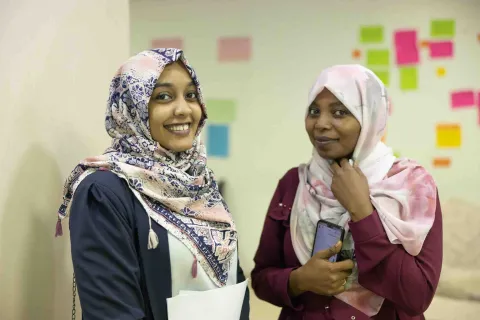
image of two female students in a conversation with post-it notes on a whiteboard in the background

أصحاب المصلحة الرئيسيون

  • خبراء منظمة العمل الدولية الفنيون
  • الشركاء في المجال الإنساني (اليونيسف، مفوضية الأمم المتحدة لشؤون اللاجئين)
  • ممثلو الحكومات
  • المنظمات التي يقودها اللاجئون والشباب (RYLOs)
  • اللاجئون، والنازحون داخلياً، وأفراد المجتمعات المضيفة 


FR - Value-chain development and market systems

Submitted by iloadmin on
Image
Value-chain development and market systems
تقرير بعنوان "تطوير سلسلة القيمة وأنظمة السوق في الاستجابة للنزوح القسري"

مواد ودورات تدريبية لمنظمة العمل الدولية

برنامج التدريب على بدء وتطوير الأعمال التجارية (SIYB) التابع لمنظمة العمل الدولية

 بوابة موضوعات منظمة العمل الدولية: السلامة والصحة المهنية

ILO, Start.COOP, A step-by-step tool to start-up a cooperative, Facilitator's Guide, 2020

ILO, Think.COOP, An Orientation on the cooperative business model, training guide, 2018

ILO, My.COOP pack, Managing your agricultural cooperatives, 2012 

ILO, GET Ahead Resources, 2023

ILO, financial inclusion resources

ILOITC course: Market-based livelihood interventions for refugees and host communities – Certification programme – Core learning path

Global perspectives on the intervention

ILOITC, Private Sector Views On Engagement In Forced Displacement Contexts, session outcome memo, 18 October 2023

ILO & UNHRC, The Humanitarian-Development Nexus in Action: A Review and Mapping of Market-Led Approaches in Displacement Contexts, 2023

ILO, Designing and Implementing Market-led Interventions in Forced Displacement SettingsJanuary 2024

Local perspectives on the intervention

Egypt: ILO, Market Systems Analysis Of Egypt’s Food Service Sector for Employment Inclusion of Refugees in Egypt, 2023 

Lebanon: ILO, Unlocking Opportunities for Decent Job Creation in Lebanon's Horticulture Sector, report, 2020 

Lebanon: ILO, Results of Pilot Trials on Greenhouse Productivity and Working Condition with 12 Selected Farmers in Akkar and the Bekaa, 2023

Lebanon: ILO, Preliminary Assessment of Occupational Safety and Health in the Agriculture Sector in Lebanon, 2023

Lebanon: ILO, 'Agricultural Infrastructure Revamp Transforms Lebanon, One Greenhouse at a Time', photo essay, 7 February 2025 

Lebanon: ILO, 'ILO PROSPECTS Lebanon Supports Social Enterprise Initiatives in Lebanon', ILO news release, 5 July 2024 

Uganda: ILO, Paving the Way for Better Jobs and Improving Livelihoods for Refugees and Host Communities in Arua, Uganda, May 2020 

Uganda: ILO, Rapid Market Assessment of Five Value Chains in Nakivale Refugee Settlement and Host Community in Isingiro District, August 2022 

Uganda: ILO, Piloting Private Service Provision to Refugees and Host Communities in Uganda, PROSPECTS Uganda Blog, July 2022 

INT - Value-chain development and market systems

Submitted by iloadmin on

يعتمد التكامل على المعوقات التي تم تحديدها في تحليل أنظمة السوق. قد لا تكون هذه المعوقات ذات صلة في جميع السياقات، لذا ينبغي اختيار مجالات التدخل بناءً على تحليل دقيق للسوق المحلية. وعند الاقتضاء، توفر سلاسل القيمة إمكانيات متنوعة لاتباع مناهج متكاملة، لا سيما في خدمات تطوير الأعمال، والشمول المالي، وتنمية التعاونيات، إذ تساعد المنتجين على تحقيق التوسع.

Here are a few examples of integration within the PROSPECTS programme with regard to market systems and value-chain development:

Challenges - Value-chain development and market systems

Submitted by iloadmin on

محدودية استخدام أساليب السحب فقط أو الدفع فقط

لا تُعدّ التدخلات التي تعتمد على جذب الفئات المستهدفة فقط مثالية في سياقات النزوح، إذ قد تُقصي فئاتٍ أقلّ استعدادًا لسوق العمل، مثل اللاجئين والمجتمعات المضيفة. كما تتطلب استراتيجيات الدفع استثماراتٍ كبيرة في التدريب ونقل الأصول والتوجيه. وقد يُشكّل النطاق المحدود وانخفاض القيمة مقابل المال عائقًا أيضًا: فكلما كبرت الفئة المستهدفة، زاد حجم الاستثمار المطلوب.

Interventions that are more push than pull

Owing to operational and technical challenges, many of the value-chain interventions implemented in the PROSPECTS countries have focused more on the supply side of the labour market – with “push” interventions (capacity-building and technical training, distribution of seeds and grants, construction of infrastructure, etc.) often delivered through direct support, in collaboration with implementing partners – rather than influencing how markets can work to deliver such support. There are four key reasons for this: 

  • pull interventions require heavier support and more capacity-building efforts;
  • push interventions are more familiar to project staff, as they are somehow aligned with more “traditional” development and humanitarian practices;
  • push interventions show quick results and so are easier to measure;
  • push interventions are easier to plan and manage, especially for resource-stretched teams.

Time taken to demonstrate impact

Push and pull approaches do not “meet in the middle” of the market system at the same time. For instance, the off-taker needs some certainty that scale and quality criteria will be met by the growers, so that the off-taker can supply its buyers with high-quality produce in sufficient volumes. The growers and producer groups also need some certainty that their goods will be taken by the off-taker and that they will be paid accordingly. There can be a sequencing problem that may take a few years to iron out: stimulating the pull side in the absence of sufficient supply means off-takers may lose confidence in the system, while oversupply in the absence of sufficient off-takers means growers and producer groups do not receive the profit they had anticipated. This is further complicated in refugee-hosting areas, where off-takers and buyers were not previously present and thus had not yet established trust.

Additional barriers to refugee inclusion

One of the key challenges in developing agricultural value chains that are inclusive of refugees is land rights and ownership. As shown in the examples from Sudan and Uganda, refugees did not have access to land ownership, so establishing a value chain required negotiation on land use with members of the host communities. Long-term and sustainable solutions require policy change over land rights, but in the short-term, programme teams helped facilitate access for a small cohort, on a case-by-case basis. Furthermore, refugees are often limited with regard to the sectors in which they are legally allowed to obtain work permits, and in terms of practical access to land that’s close enough to their settlements so that they can travel to seek or perform work.

Market distortions

In times of crisis, other INGOs started to introduce free-of-cost goods and services and employed cash grants. While such measures might be necessary in times of crisis, they do distort the market over a longer period after the crisis, making it more difficult to develop a market for a good or service that was at one point subsidized.

Need for great agility

Common contextual challenges among the cases presented include lack of access to productive inputs, limited capacity to produce at scale, distance to markets and lack of financial capital. Each context shaped how these challenges affected the target group, and how push and pull approaches were developed to respond to them. Because the situations in PROSPECTS countries are relatively volatile, changes were more frequent and unexpected.

نقاط القوة - تطوير سلسلة القيمة وأنظمة السوق

Submitted by iloadmin on

حلول مصممة خصيصاً بناءً على قوى السوق

يحلل منهج AIMS ديناميكيات الأسواق المحلية، ويحدد المعوقات، ويعمل على تعزيز العلاقات بين الجهات الفاعلة وشبكات الأعمال ووظائف الدعم الأخرى. ويمكن التحقق من صحة هذا التحليل من خلال بيانات من الجهات الفاعلة في سلسلة القيمة المحلية، لدعم تبني الحل.

Focuses on bottlenecks hampering inclusive growth and job creation

The approach recognizes that vulnerable groups, including refugees, face barriers to access and benefit from the market. It aims to ensure market interventions are inclusive and accessible by design.

Potential to last beyond the project life cycle

The AIMs approach builds capacity locally, so that producers, entrepreneurs, workers and other market actors can benefit from market opportunities that are simultaneously stimulated through pull approaches. This fosters market dynamics that can persist beyond the project duration.

Subscribe to