
Intervention
Financial inclusion
Countries involved

Egypt

Ethiopia

Iraq

Kenya

Lebanon

Uganda
Overview
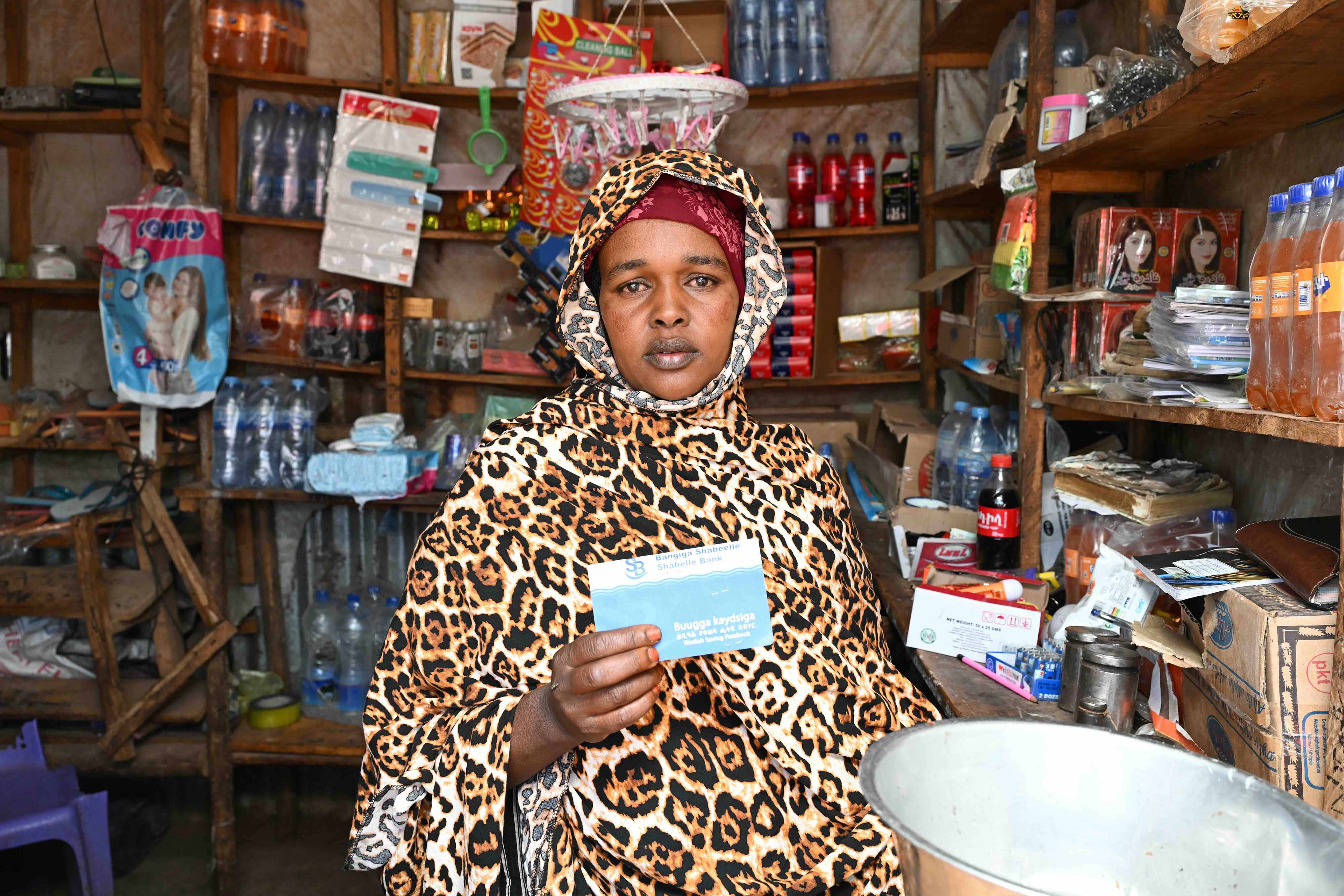
Financial inclusion enables members of groups who are traditionally left outside of formal banking systems to access financial services through formal and informal financial service providers (FSPs). Access to finance enables autonomy and the pursuit of livelihoods, whether as an employee or entrepreneur. However, refugees and host community members need to acquire financial literacy and skills, so that they can confidently engage in financial markets. Refugees, in particular, face difficulties accessing finance because of their lack of nationally recognized documentation required to open a bank account, lack of bank branches in or near the settlements and/or camps in which they reside and their temporary status in the host country.
- Financial services providers- microfinance institutions, commercial banks
- Central banks
- Public Guarantee institutions
- Trainers and master trainers
- (I)NGOs
- Community-based organizations
- Refugee- and youth-led organizations
- Savings and Credit Cooperative Organizations (SACCOs)
- Village Loan and Savings Associations (VLSAs)
- Government representatives (national and local)
- Business development service providers
Activities, stakeholders and guidelines
Activities, stakeholders and guidelines
Creating an enabling environment to include refugee and host communities in financial systems
Activities, stakeholders and guidelines
Building trust and improving financial literacy
1